The museum

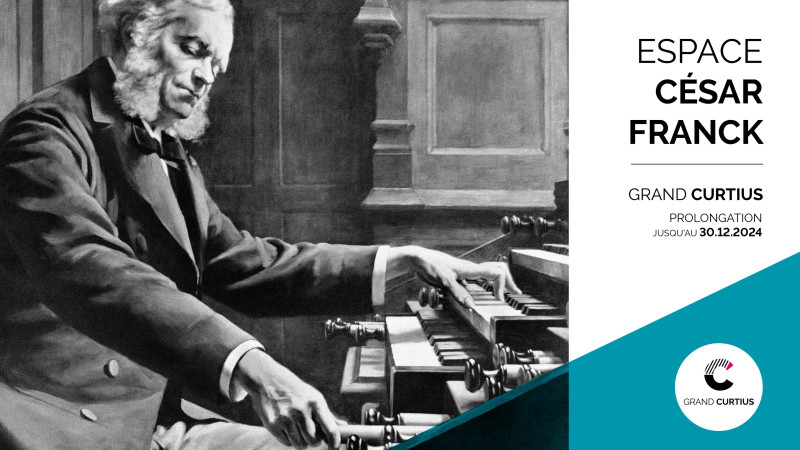
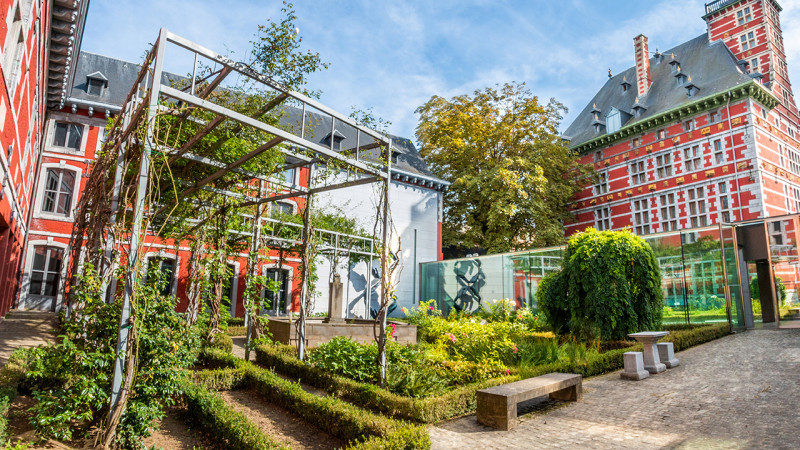
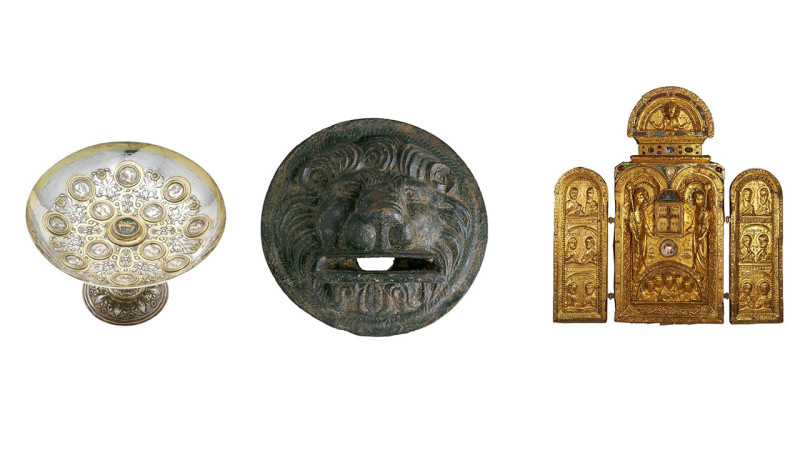
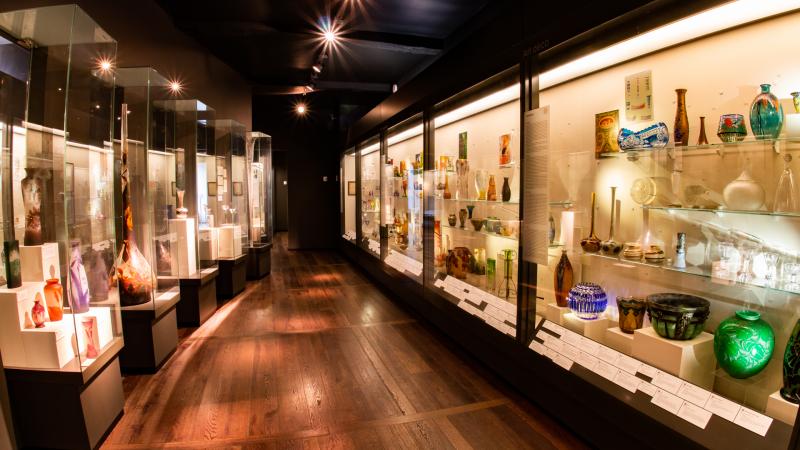
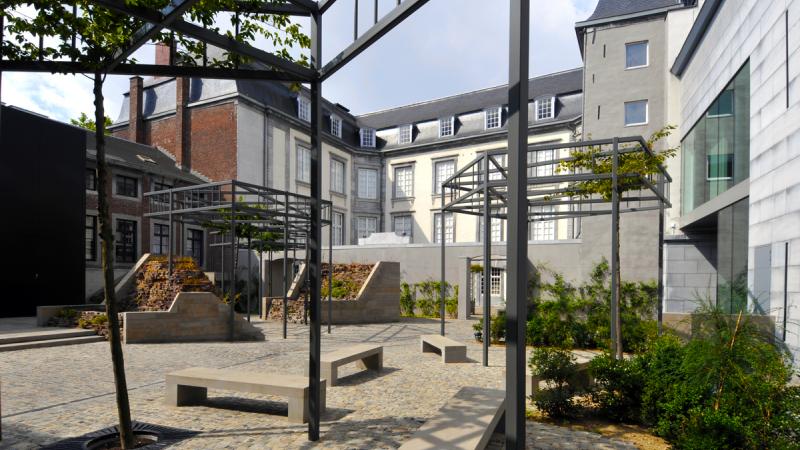
Opened to the public in March 2009, after several years of work, the Grand Curtius, which is located in the historic heart of Liège and on the banks of the Meuse river, is one of the major hubs for museums in Liège. This museum site – which was built around a Mosan Renaissance building, constructed at the end of the 16th century or the beginning of the 17th century for Jean de Corte, known as Curtius, a rich arms and gunpowder dealer – has a total surface area of more than 5000 m² and houses exceptional collections of art and history. The Curtius Palace, which was built with red bricks, Meuse stones and mascarons and is a listed building in Wallonia's exceptional heritage, wears its colours beautifully.

When Paganini Meets Ysaÿe: The Devils’ Violins

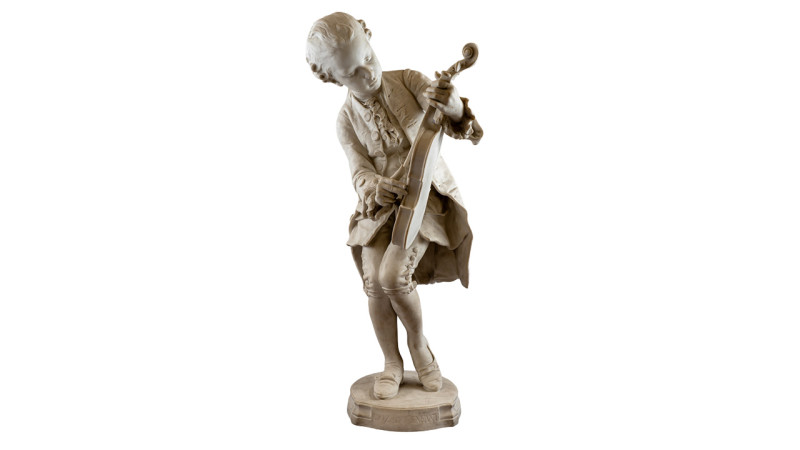
The international exhibition ‘When Paganini Meets Ysaÿe: The Devils’ Violins’, on display at the Grand Curtius from 16 October 2026 to 7 March 2027, traces the extraordinary legacy of Niccolò Paganini (1782–1840) and his influence at the heart of the Liège School of Violin. Through autograph manuscripts, historical instruments, sheet music, previously unpublished archives and exceptional memorabilia, it reveals how the genius of the Genoese master profoundly influenced several generations of European musicians.

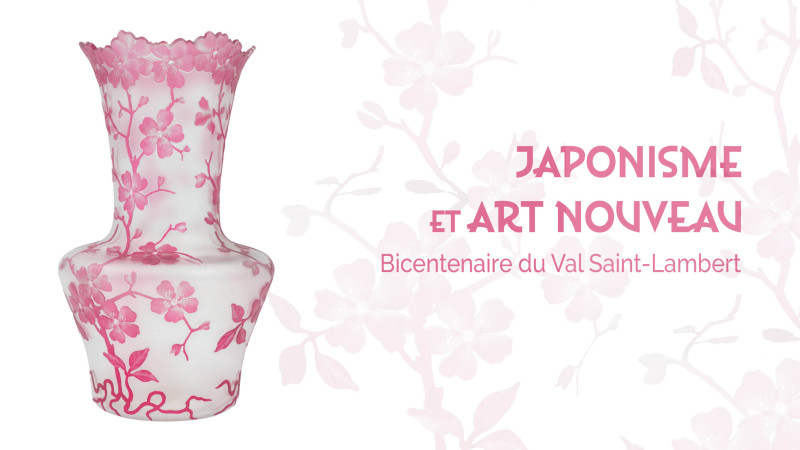
Japonism and Art Nouveau

From 17 April to 27 September 2026, the Grand Curtius will host the exhibition ‘Japonism and Art Nouveau’, which is part of the bicentenary celebrations of Cristalleries du Val Saint-Lambert (1826-2026). Around 150 works showcasing the aesthetics and techniques experimented with and developed by Val Saint-Lambert during its golden age (1880 to 1914) will be on display.