Prelude to the bicentenary of Val Saint-Lambert


Prelude to the bicentenary of Val Saint-Lambert (1826-2026)
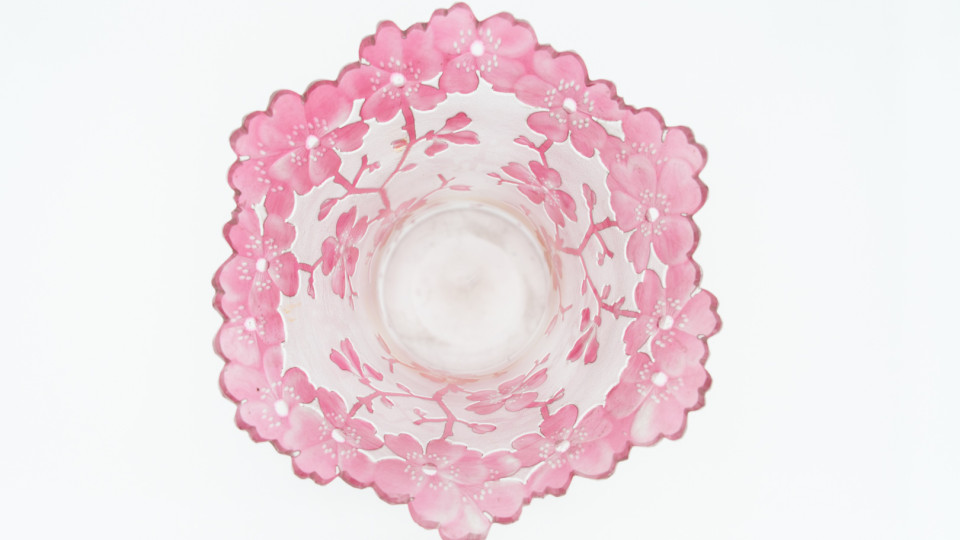
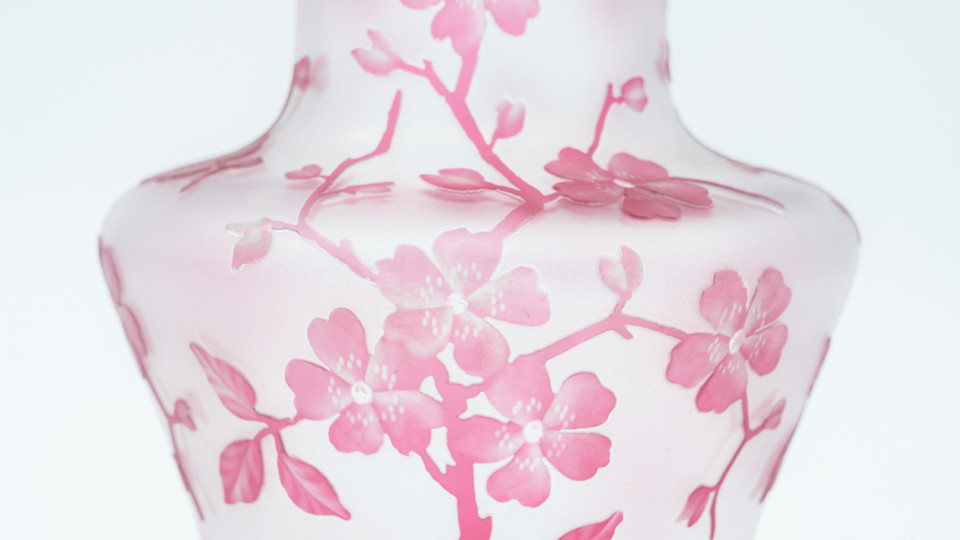
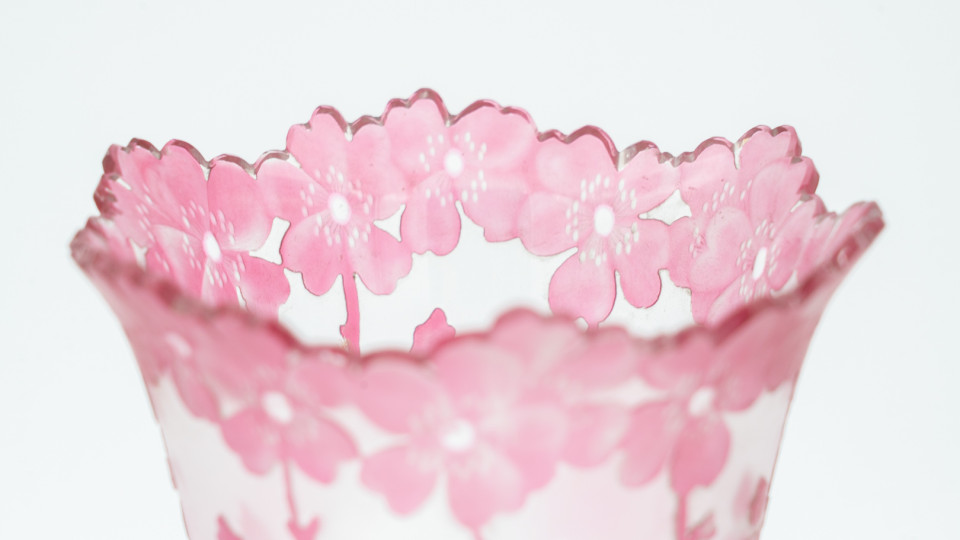
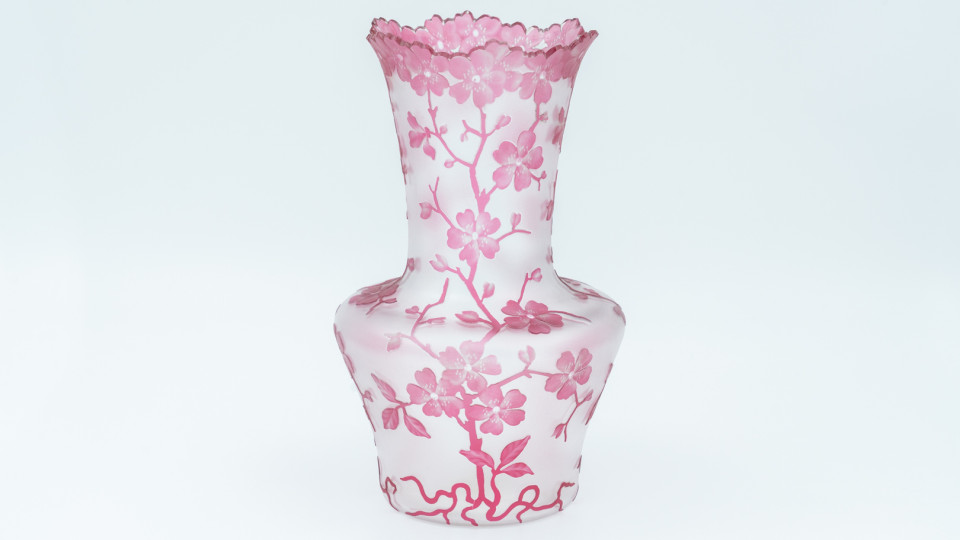
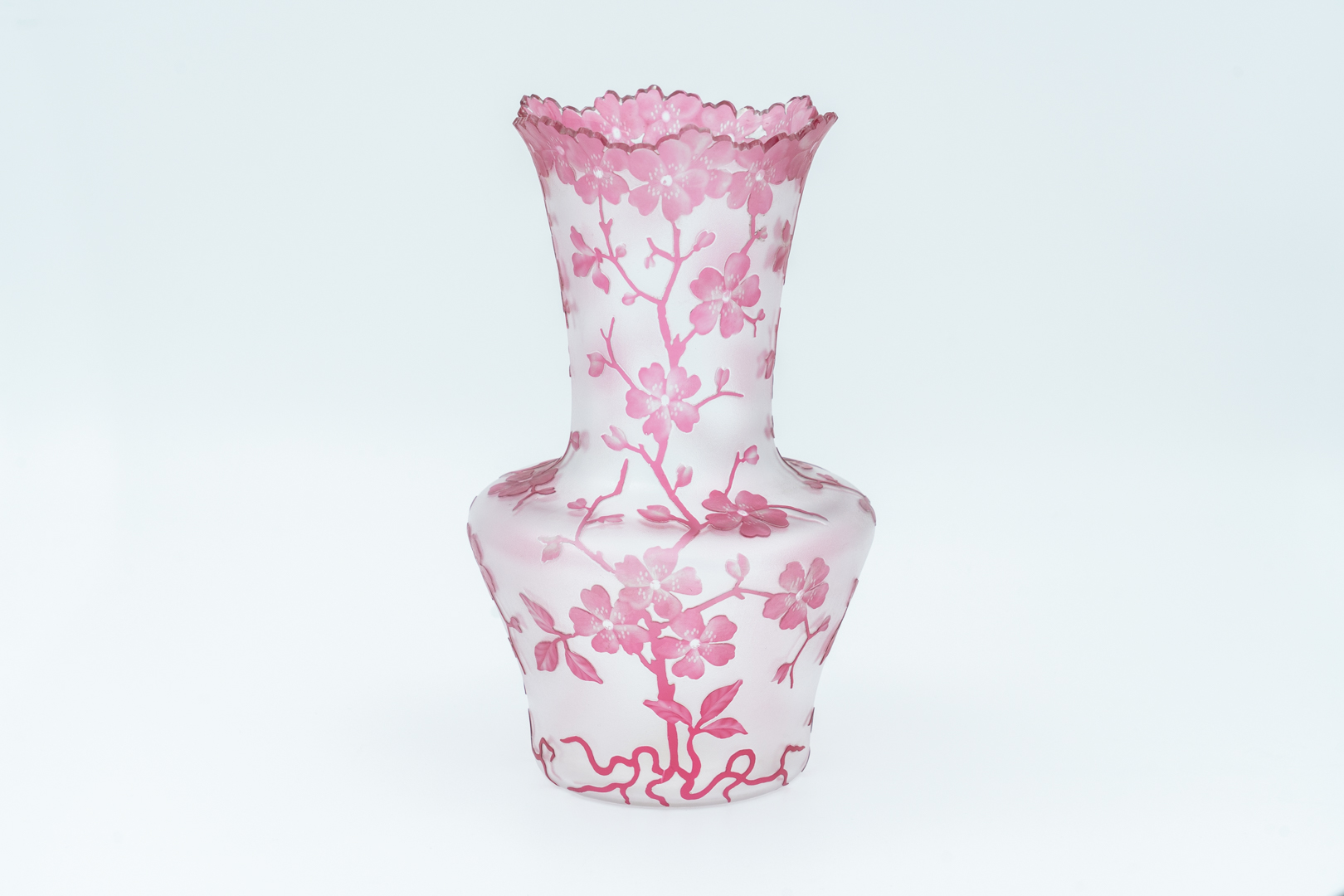
Natal vase, Violettes decoration
Val Saint-Lambert, circa 1900
Signed: Val St Lambert (engraved under the base)
Colourless crystal lined with pink, blown-moulded, acid-etched
26.3 cm
Inv. no.: 59/91
From 1880 to 1914 - The golden age of crystal glassware
Les Cristalleries du Val Saint-Lambert, whose first furnace was lit in 1826, became an undisputed economic powerhouse within a few decades. At the turn of the 20th century, the factory established itself as a global leader: some 5,000 people worked within its walls, its machines were at the cutting edge of technology, its counters were installed across the four corners of the globe and its participation in international exhibitions (Antwerp 1894, Brussels 1897, Turin 1902) was widely noted. Preserved at the Grand Curtius and classified as a Treasure by the Wallonia-Brussels Federation in 2017, the iconic Vase of the Nine Provinces, designed by Léon Ledru for the 1894 World's Fair in Antwerp, showcases the crystal factory's expertise. It was and remains admired by all.
During the second half of the 19th century, artistic recognition of the so-called minor or applied arts elevated glass to the status of a work of art. At the same time, Val Saint-Lambert enlisted the services of designer Camille Renard in 1864 and Léon Ledru in 1888. Technical innovations and the presence of practitioners (painters, engravers, cutters), true virtuosos working alongside major designers within the company, raised the artistic production of the crystal factory to international status. Alongside richly cut luxury items and more utilitarian products, particularly original artistic lines were created thanks to bold and talented artists. Among them were Camille Renard, Léon Ledru and the brothers Eugène and Désiré Muller.
Art Nouveau in Val
A reaction against exponential industrialisation and eclecticism that endlessly reproduced old styles, Art Nouveau was an artistic movement that flourished at the end of the 19th century, inspired by Japonism*. Architecture and decorative arts are excellent examples of this movement. The expression of this new art varied according to the countries or cities where it flourished. Belgium occupies a prominent place.
Léon Ledru (Paris, 1855 – Liège 1926), an inspired designer
In 1888, the French designer was hired at Val and became head of the design department in 1897, a position he held for 28 years. Active in several artistic circles and salons in Liège, Brussels and Paris, Ledru developed an avant-garde Art Nouveau style, which he presented at the Brussels World's Fair in 1897. Alongside these resolutely modern coloured crystals, he created floral and plant decorations in the Art Nouveau style, poetic and Japanese in inspiration, as well as classic pieces faithful to bourgeois tradition. Although Ledru was passionate about the art of his time, he was also interested in ancient heritage, including the history of the abbey and then the Val Saint-Lambert crystal factory. Several drawings bear witness to this. This brilliant artist had boundless creativity, for after the Great War he designed pieces linked to Art Deco.
This object of the month is a prelude to the Japonisme and Art Nouveau exhibition to be held at the Grand Curtius from 17 April to 27 September 2026, as part of the bicentenary celebrations for the Val Saint-Lambert crystal works.
Isabelle Verhoeven
Curator, Glass Department
*Japan opened its borders in 1853. Its participation in the Universal Exhibitions in Paris in 1867 and 1878 marked a turning point in 19th-century Western art, offering new aesthetic perspectives. Japonism developed during the 1880s, giving rise, among other things, to an unprecedented enthusiasm for nature, one of the great inspirations of Art Nouveau.
The object of the month on video
Location of the exhibition
The objects are on display in the showcase of the object of the month. Entrance hall of the Grand Curtius Museum in Liège.
Copyright des photos : Ville de Liège - Grand Curtius