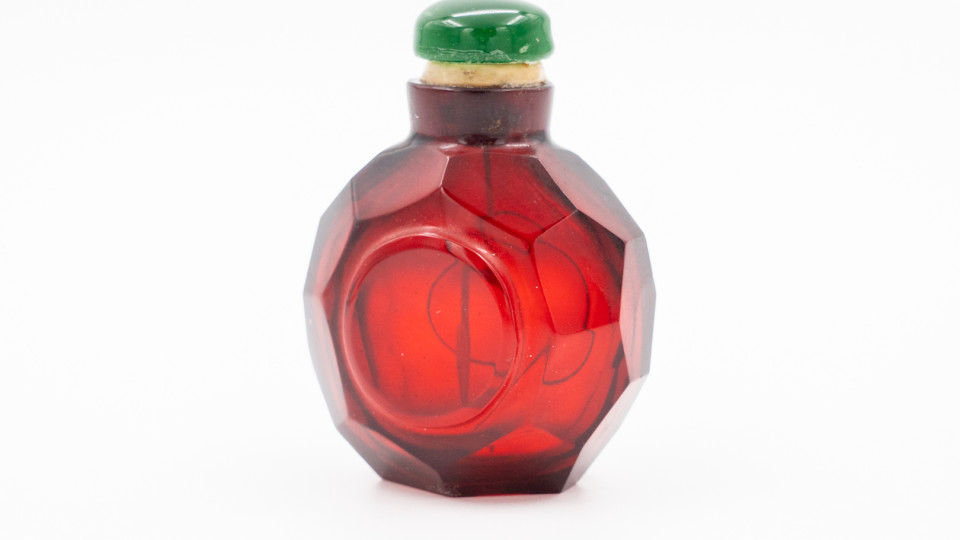
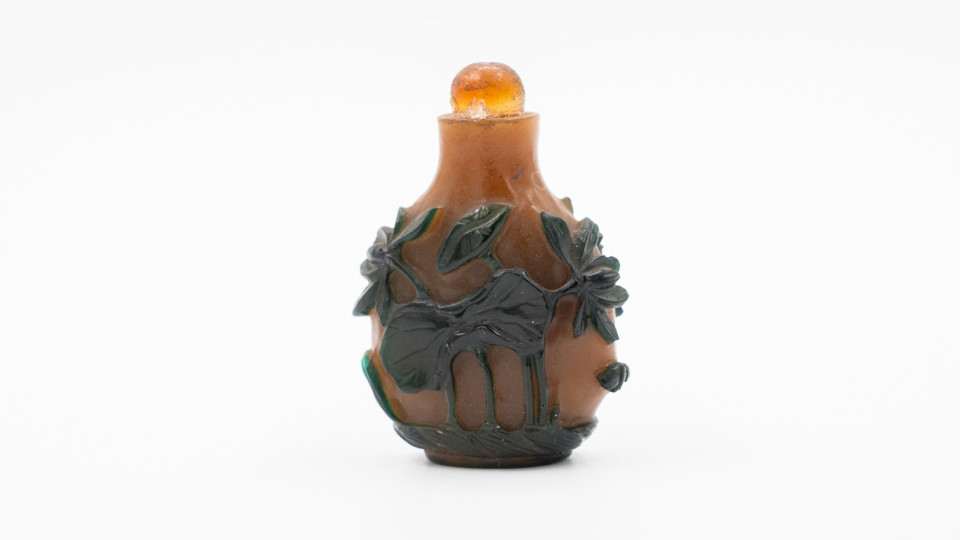
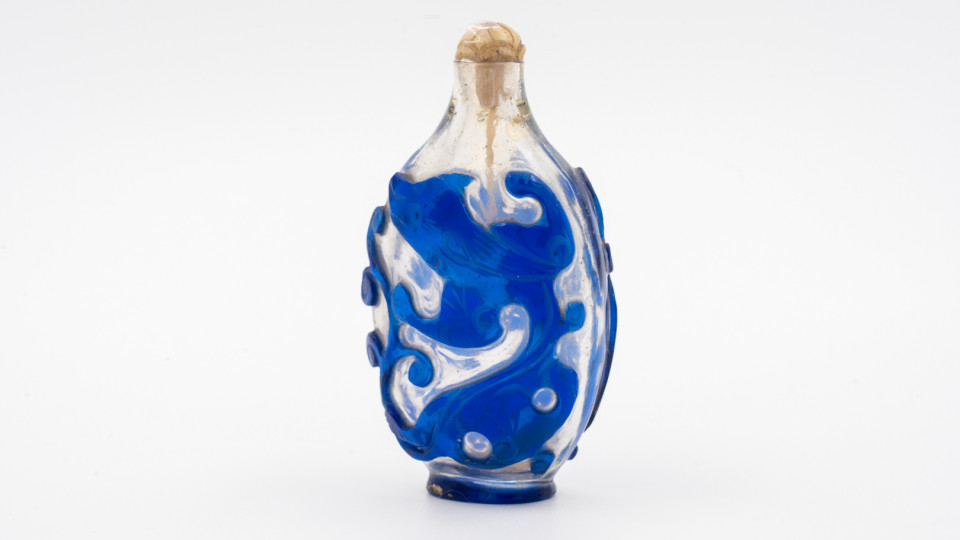
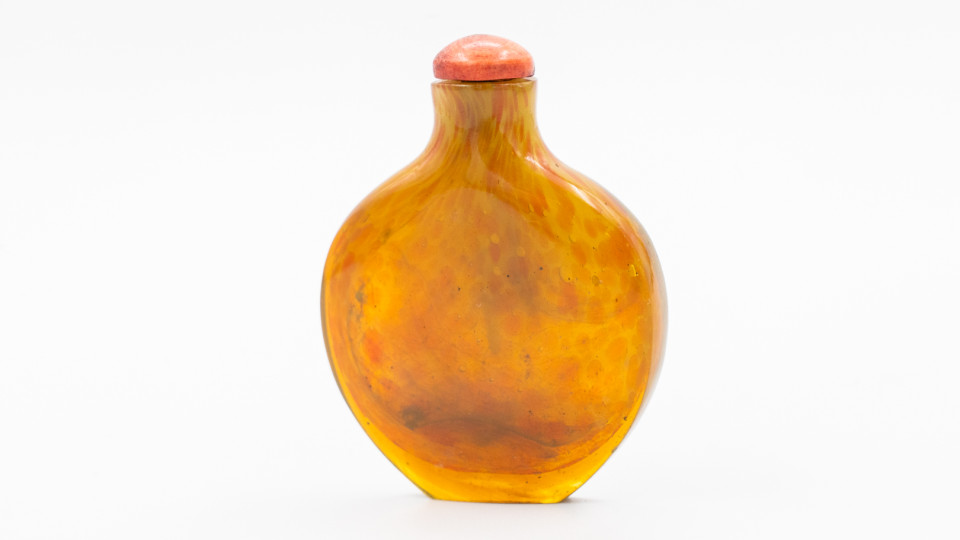
Delicate glass Chinese snuff bottles

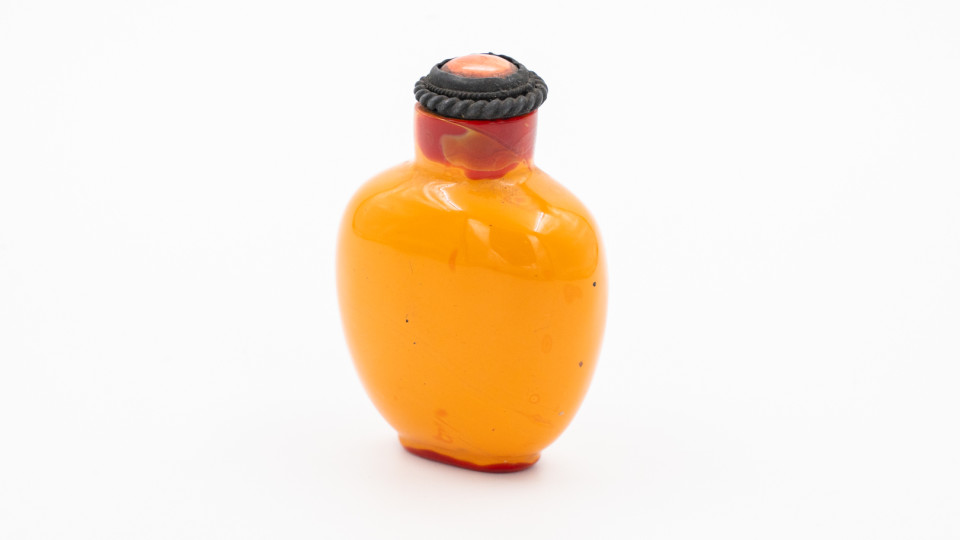
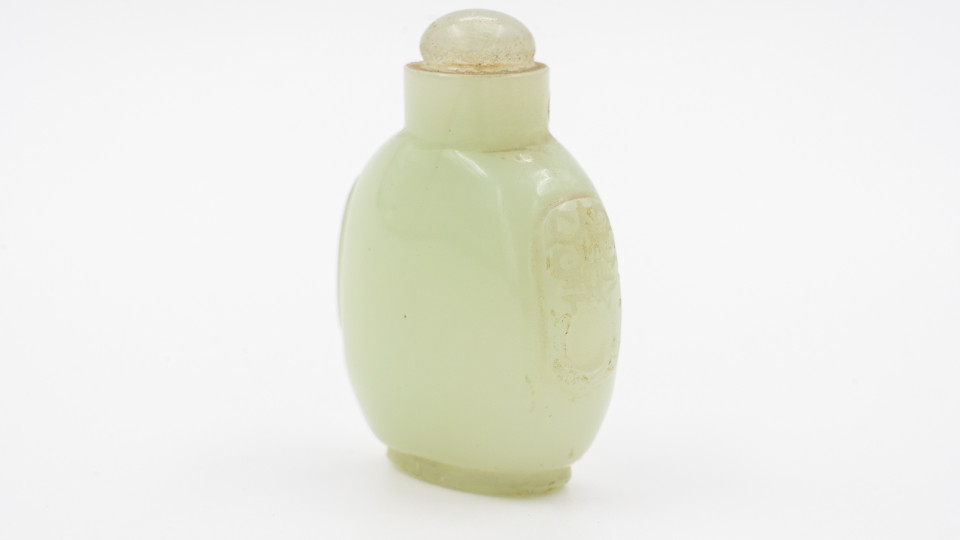
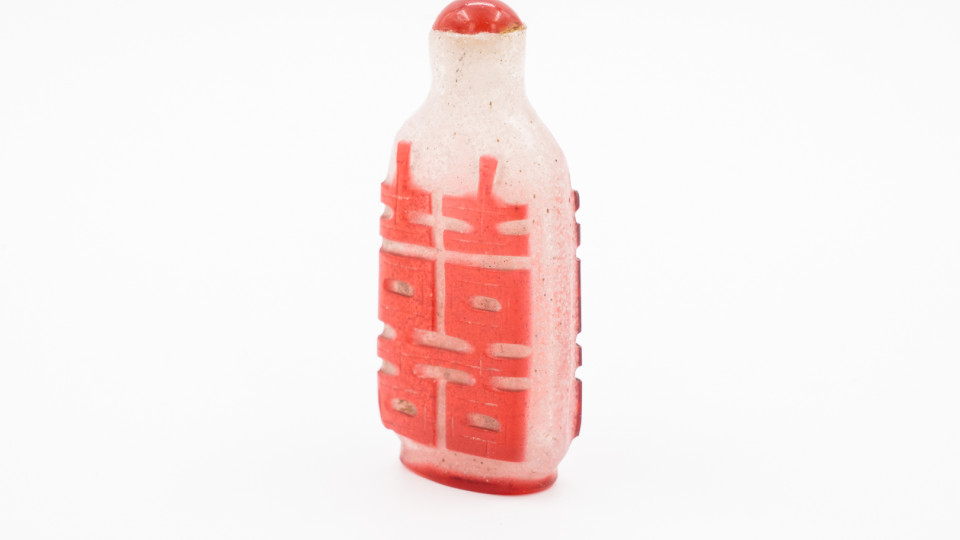

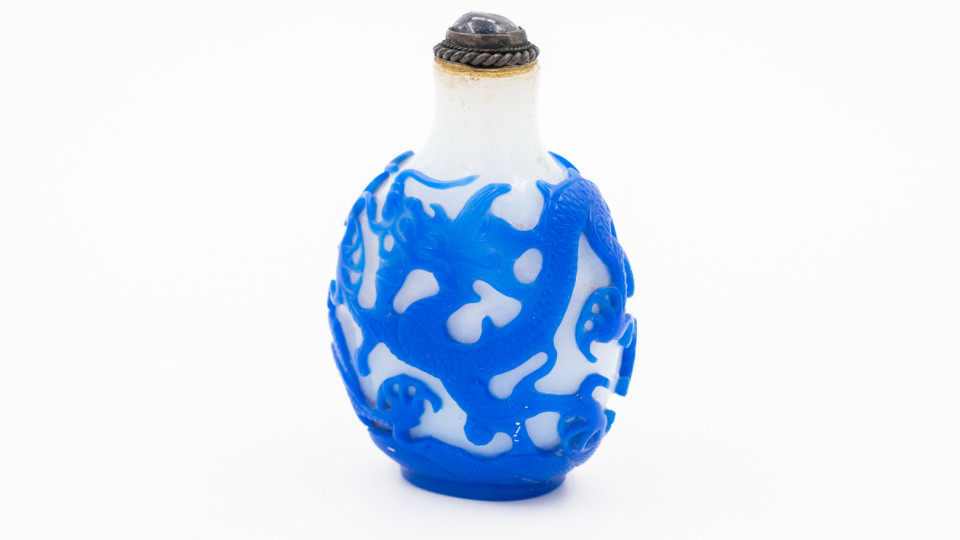
J’ai du bon tabac dans ma tabatière…
Tobacco: for or against?
Tobacco was imported from America and introduced to Europe in the middle of the 16th century. It was used as a medicinal plant, although its healing effects were already called into question in certain corners. It was consumed following the Indian tradition, that is to say either smoked or chewed, and was soon scorned by the elite classes. Indeed, from 1626, it was banned from being consumed in public and could only be sold by apothecaries. In spite of these constraints, inhaling this ground-up plant became a fashionable activity and, above all, snuffboxes, which were richly decorated boxes with lids, became fashion accessories.
In China: smoking then snorting
Around 1600, on the other side of the world, in China, which was ruled by the Ming dynasty (1368-1644), the population discovered tobacco brought with them by Europeans. At the time it was smoked in pipes. However, this fashioned changed with the new Qing dynasty that began its rule in 1644. From then on, at the court of Emperor Kangxi (1661-1722), fermented tobacco was reduced to a spicy powder and was snorted, inhaled and sniffed (from where the name snuff bottle or box came for tobacco containers). As in Europe and despite medical recommendations, snorting tobacco quickly became a habit of the aristocracy.
“Snuff bottle”: a refined accessory for the Chinese elite
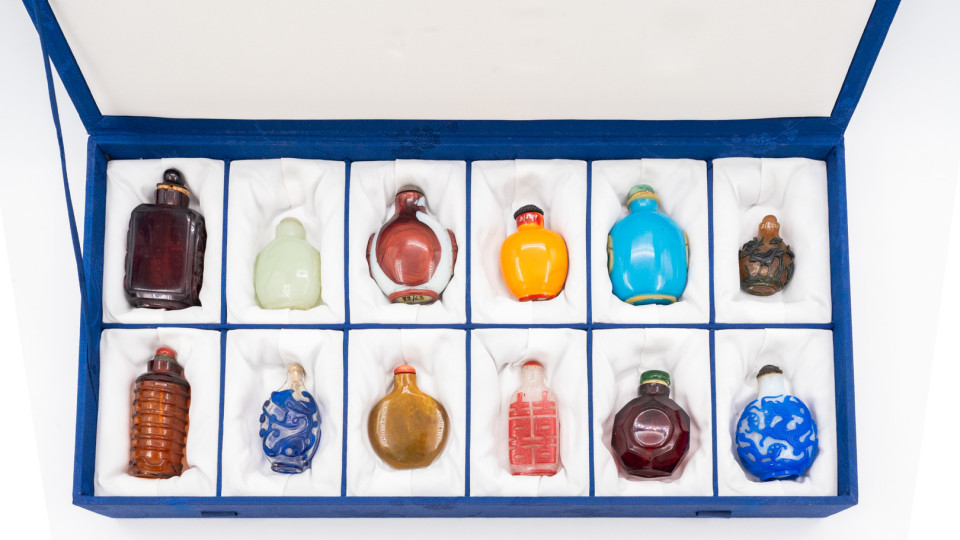
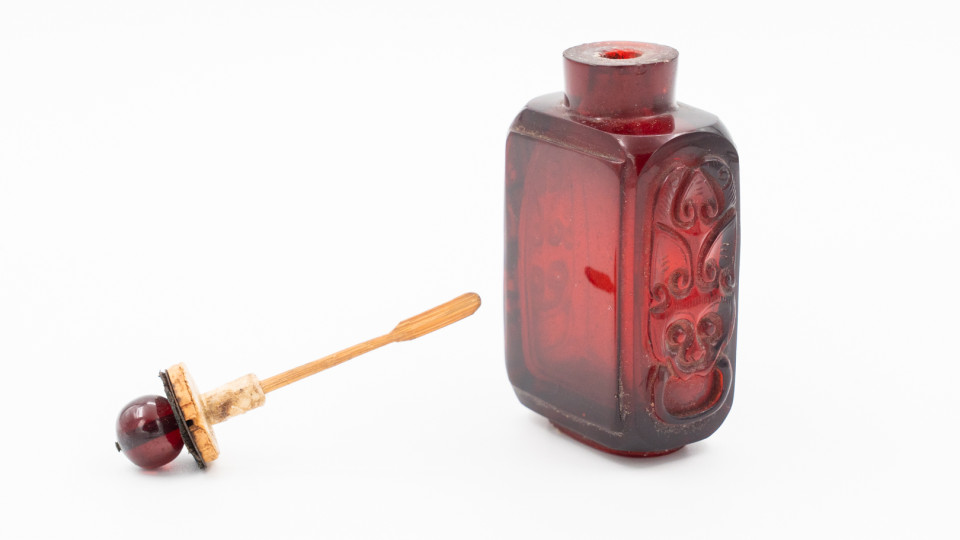
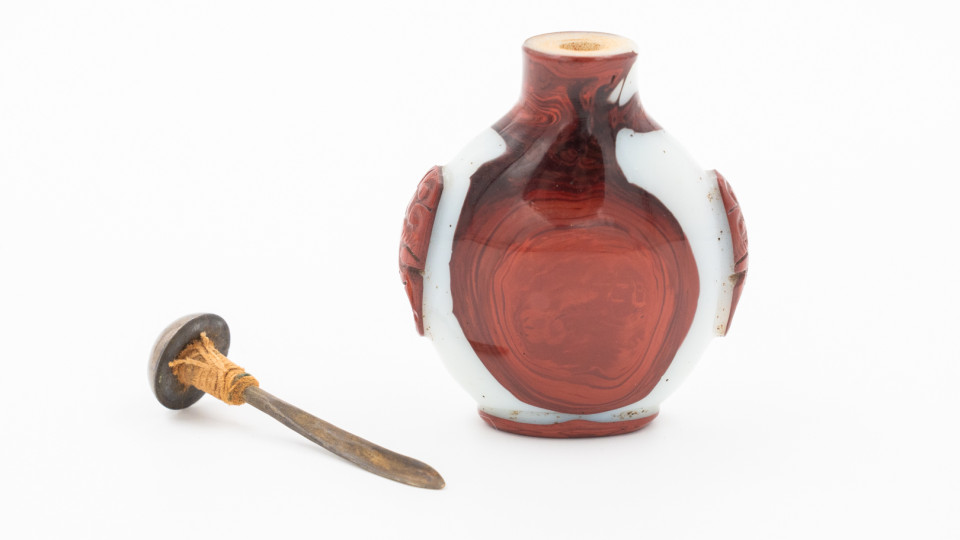
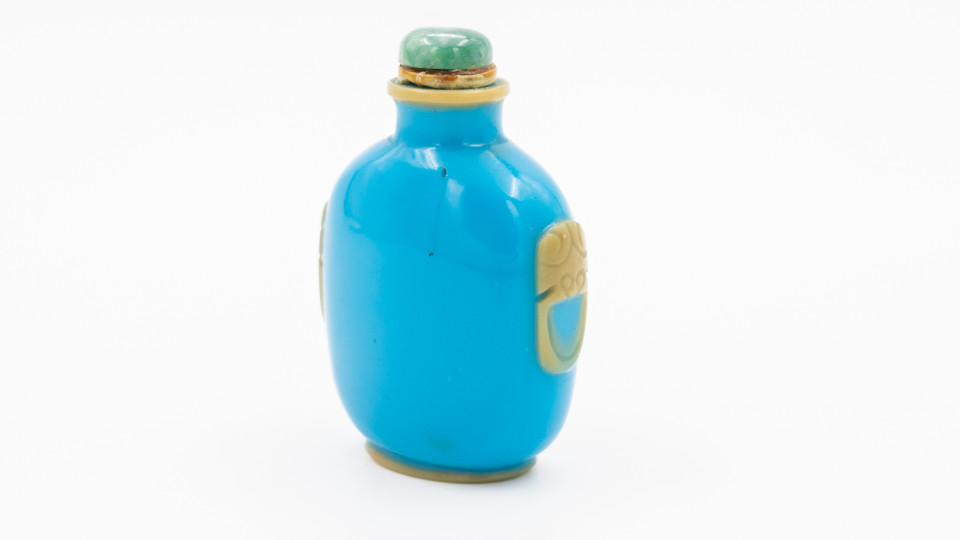
The oriental snuff container took on a radically different form from its European counterpart, for two main reasons. Firstly, China’s humid climate was not conducive to proper preservation of tobacco powder in boxes with large lids. Instead, they preferred pretty flasks closed by decorative cork stoppers to seal the narrow opening and used a spatula to take out the tobacco power. Secondly, a small snuff container was more suitable for holding in the hand, carrying in a small bag attached to a belt or tucked into the cuff of the sleeve. Under the Qing dynasty (1644-1911), especially during the rule of Emperor Kangxi, consumption of tobacco for snorting revitalised glass blowing. Having received and appreciated glass gifts from the west, the emperor had a furnace set up in 1696 within the imperial palace in Beijing (the Forbidden City). He entrusted the workshop to a German Jesuit who trained the glassblowers in manufacturing and decoration techniques (cutting and engraving). The functional snuff bottle became an artistic object and a status symbol for its owner.
Delicate luxury objects coveted by oriental courtesans...
Following the reign of his father Emperor Yonghzen (1722-1735), Qianlong (1735-1796) was also a tobacco enthusiast and also developed a genuine enjoyment of consuming snuff, leading to the creation of a variety of sophisticated flasks made of various materials (jadeite, quartz crystal, ivory, porcelain, etc.). For the Chinese, jade snuff containers were among the most precious.
However, glass of great purity, often coloured (with 30 different hues identified), was still a material of choice that craftspeople most often sculpted and polished in the same way as they did with stone. Two main techniques were used to decorate these small objects. One involved superimposing several layers of coloured glass and engraving or cutting the outer layer to reveal the pattern. The other technique, which emerged later, involved painting a subject with an ultra-thin brush inside a transparent glass flask.
Snuff bottles were traditionally offered to emperors, who in turn ordered great quantities of them to offer as official or private gifts. Until the end of the 18th century, snorting tobacco was reserved for the elite: lettered people, senior officials, the emperor and his court. Yet, by the end of the century, democratisation of its consumption led to increased use of snuff containers, giving rise to creation of vast factories in Beijing. The snuff container trade reached its peak in the 19th century, a period during which all the Chinese population snorted tobacco. However, it was overtaken in popularity at the start of the 20th century by the arrival of the cigarette.
Miniature treasures much appreciated by western collectors
These oriental snuff bottles with their bright colours and exotic decorations filled western aficionados, who bought them in China or from antique dealers, with enthusiasm. The collection of old glassware items belonging to the Baar family, which was purchased in 1952 by the City of Liège for the Grand Curtius Museum, boasts many Chinese snuff bottles which undoubtedly exuded a touch of the exotic that was so fashionable in the 19th century.
Isabelle Verhoeven, curator
Glassware Department / Grand Curtius
Exhibition location
The artefacts are visible in the object of the month showcase in the entrance hall of the Grand Curtius Museum in Liège.
Captions for visuals – Copyright: City of Liège - Grand Curtius